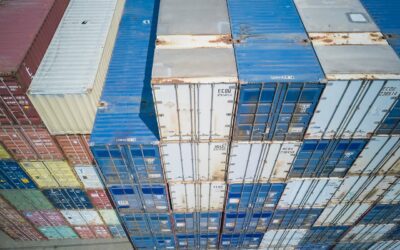
The Port of Mombasa rarely announces its power loudly, yet every container that moves through its gates quietly decides profit, delay, or collapse for thousands of businesses across East Africa. This harbor is not just water and cranes. It is a living system where timing, paperwork, relationships, infrastructure, and strategy collide daily. For companies importing machinery, exporting agricultural goods, or feeding regional supply chains, understanding how this port actually works is not optional. It is survival knowledge. Those who grasp its rhythms gain confidence, predictability, and leverage, while those who treat it as a mystery often pay for that ignorance through penalties, storage fees, missed contracts, and reputational damage that lingers longer than any shipment.
At its core, the Port of Mombasa functions as the main maritime gateway for Kenya, Uganda, Rwanda, South Sudan, eastern Democratic Republic of Congo, and parts of Tanzania. Over ninety percent of Kenya’s international trade flows through this corridor, making it one of the most strategically important ports on the African continent. Businesses often underestimate how regional this port truly is. A container destined for Kampala or Kigali begins its journey here, passing through layers of customs controls, port authority procedures, shipping line requirements, and inland transport coordination. Each layer introduces opportunity or risk depending on preparation, accuracy, and professional handling.
Cargo arrival at Mombasa sets off a tightly regulated chain reaction. Shipping lines submit manifests before vessels dock, enabling preliminary risk assessment by customs authorities. Once a ship berths, containers are discharged into designated yards managed by the Kenya Ports Authority and licensed terminal operators. At this stage, time becomes money. Storage charges accrue after free days expire, and clearance delays quickly erode margins. Businesses that understand port timelines align documentation, payments, and inspections in advance. Those who do not often watch costs quietly balloon while their goods sit motionless under the coastal sun.
Customs clearance remains the most misunderstood element of Mombasa logistics. The Kenya Revenue Authority operates an electronic clearance system that integrates declarations, valuation, risk profiling, and inspection scheduling. While the platform is digital, the process itself demands human expertise. Tariff classification errors, undervaluation disputes, or missing permits trigger red flags that slow release. Experienced logistics partners anticipate these issues, validate documents before submission, and resolve queries quickly. Businesses that rely on guesswork or shortcuts frequently encounter unnecessary audits that disrupt supply chains and strain cash flow.
Beyond customs, port operations depend heavily on coordination between multiple stakeholders. Shipping agents, clearing agents, port officials, transporters, and regulatory bodies all play defined roles. A delay from one party cascades across the system. Successful businesses learn that logistics at Mombasa is less about brute speed and more about orchestration. Clear communication, accurate forecasting, and disciplined follow-up often outperform aggressive demands or last-minute improvisation. The port rewards preparedness and penalizes chaos with remarkable consistency.
Inland logistics from Mombasa shapes the final outcome of port performance. The Standard Gauge Railway, road transport corridors, and inland container depots extend the port’s reach deep into the region. Businesses that plan rail movement benefit from reduced transit time and lower damage risk, while road transport offers flexibility for time-sensitive deliveries. Choosing the wrong mode or failing to secure transport early exposes cargo to congestion bottlenecks, especially during peak import seasons. Strategic planning at this stage transforms the port from a choke point into a competitive advantage.
For exporters, the Port of Mombasa presents a different but equally complex challenge. Export processes demand strict compliance with quality inspections, phytosanitary certificates, and origin documentation. Agricultural exporters in particular face tight timelines where freshness determines price. Efficient coordination between packhouses, inspection agencies, and shipping schedules ensures goods reach vessels without last-minute panic. Businesses that master export logistics often build strong relationships with shipping lines and port handlers, enabling smoother bookings and predictable sailings even during high demand periods.
Technology has quietly reshaped port logistics in Mombasa, though many businesses fail to fully exploit it. Real-time cargo tracking, electronic payments, and automated gate systems reduce uncertainty when used properly. Digital visibility allows companies to anticipate delays, reroute shipments, and communicate transparently with customers. However, technology alone does not solve structural challenges. It amplifies the benefits of good planning and exposes the weaknesses of poor preparation. Firms that combine digital tools with experienced human oversight achieve the most reliable outcomes.
Compliance risk looms constantly over port operations. Regulatory requirements evolve, enforcement intensifies, and penalties remain unforgiving. Noncompliance does not merely delay cargo. It damages credibility with authorities and increases scrutiny on future shipments. Businesses that treat compliance as a strategic function rather than an administrative burden move through the port with fewer disruptions. They understand that trust with regulators is built over time through consistency, accuracy, and respect for process.
The economic impact of the Port of Mombasa extends far beyond the coastline. Manufacturing plants schedule production around its reliability. Retailers plan inventory cycles based on its efficiency. Farmers depend on its export lanes to reach global markets. When port logistics function smoothly, businesses scale with confidence. When disruptions occur, entire value chains feel the shock. Understanding this interdependence encourages businesses to invest in stronger logistics planning rather than chasing short-term cost savings that often backfire.
Case studies across East Africa reveal a common pattern. Companies that actively engage with port processes outperform those that outsource blindly. A regional distributor who reduced clearance time by prevalidating documents gained faster market entry. An importer who shifted part of its cargo to rail lowered demurrage costs significantly. These outcomes were not accidental. They resulted from deliberate learning, disciplined execution, and partnership with logistics experts who understand the port’s realities intimately.
Ultimately, the Port of Mombasa is neither a villain nor a miracle solution. It is a powerful system that responds predictably to preparation and punishes neglect without emotion. Businesses that approach it with curiosity, respect, and strategic intent unlock smoother flows, stronger margins, and calmer operations. Those who treat it as a black box gamble daily with outcomes they cannot control. The difference lies not in size or influence but in understanding.
As the tide moves in and out of Mombasa’s harbor, it carries more than ships. It carries ambition, risk, hope, and consequence. Businesses willing to learn the language of this port find themselves operating with clarity rather than fear. They move with confidence rather than hesitation. Standing at the edge of this knowledge feels like stepping closer to the engine room of regional trade, where informed decisions ripple outward, shaping growth, resilience, and the quiet satisfaction of knowing exactly how the journey unfolds.