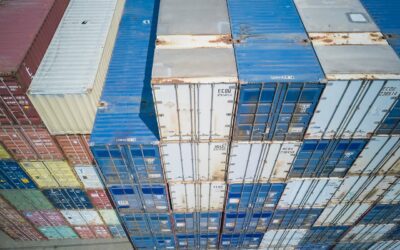
There is a moment after goods arrive in a country when the real contest for market success begins, and that moment lives inside warehouses rather than ports or borders. Warehousing and distribution services in Kenya rarely receive the spotlight, yet they quietly determine how fast products reach shelves, how fresh they remain, and how reliable a brand feels to customers. Behind every smooth delivery is a storage decision that either created momentum or introduced friction. Businesses that understand this hidden power operate with confidence, while those who overlook it struggle to explain why costs rise and customers drift away.
Warehousing in Kenya has evolved from simple storage into a strategic function that shapes supply chain performance. Modern facilities offer inventory management, value added services, and rapid dispatch capabilities that align with changing market demand. Businesses that treat warehouses as dynamic hubs rather than static rooms gain speed and flexibility. They position stock closer to customers, reduce lead times, and respond faster to market shifts. This responsiveness feels liberating compared to the stress of chasing goods scattered across inefficient locations.
Location remains the first strategic decision in warehousing. Proximity to ports, highways, industrial zones, and consumption centers influences distribution efficiency profoundly. Facilities near Nairobi serve national reach, while those near Mombasa support import flows. Inland depots strengthen regional distribution. Businesses that choose warehouse locations thoughtfully reduce transport costs and delivery times simultaneously. Poor location choices trap inventory far from demand, increasing handling and eroding margins quietly over time.
Inventory management defines how effectively warehouses serve business goals. Accurate stock visibility prevents overordering and stockouts. Businesses operating in Kenya face demand variability influenced by seasonality, infrastructure, and purchasing power. Warehousing systems that track movement in real time empower better forecasting and replenishment decisions. When inventory aligns with actual demand, cash flow stabilizes and stress levels drop. The warehouse becomes a source of calm rather than constant alarm.
Distribution networks transform stored goods into delivered value. Kenya’s road based distribution system demands coordination, route planning, and disciplined execution. Traffic congestion, road conditions, and weather affect delivery reliability daily. Businesses that invest in optimized routing and scheduling protect service quality even under pressure. Customers notice consistency long before they notice marketing messages. Reliable distribution builds trust silently, shipment by shipment.
Value added services elevate warehousing beyond storage alone. Packaging, labeling, assembly, and customization performed within warehouses shorten delivery cycles. Businesses launching new products benefit from flexibility without heavy upfront investment. These services also support compliance with labeling and quality requirements. Warehouses become extensions of production rather than passive holding spaces. This integration strengthens control across the supply chain.
Technology reshapes warehousing performance across Kenya. Warehouse management systems coordinate receiving, picking, packing, and dispatch with precision. Barcode scanning and digital records reduce errors that once plagued manual operations. Visibility across inventory and orders improves decision making dramatically. However, technology delivers value only when teams are trained and processes are disciplined. Successful warehouses blend systems with skilled people who understand flow rather than merely following screens.
Cold storage capabilities play a growing role in Kenyan logistics. Agricultural exports, pharmaceuticals, and food distribution depend on temperature controlled environments. Investment in cold chain infrastructure protects quality and reduces waste. Businesses that access reliable cold storage extend shelf life and expand market reach. Those without it face spoilage losses that quietly undermine profitability. Temperature management becomes a competitive differentiator rather than a technical detail.
Risk management within warehouses often determines operational stability. Fire protection, security, insurance, and contingency planning safeguard assets. Theft and damage remain real concerns in high volume facilities. Businesses that enforce access controls and audit procedures protect inventory and reputation. These precautions rarely attract attention until something goes wrong, yet their absence becomes painfully visible during crises.
Compliance requirements shape warehousing operations in Kenya. Regulatory standards cover safety, labor, environmental practices, and product handling. Businesses that align warehouses with compliance expectations avoid penalties and disruptions. Consistent adherence also builds credibility with partners and regulators. Compliance becomes a signal of professionalism rather than an obstacle to efficiency.
Case experiences illustrate how warehousing strategy transforms outcomes. A distributor who relocated stock closer to customers reduced delivery time significantly. A manufacturer who integrated value added services shortened product launch cycles. These gains emerged from thoughtful design rather than expensive overhauls. Small changes compounded into meaningful advantage.
Cost control remains central to warehousing decisions. Storage fees, handling charges, and distribution expenses accumulate quickly. Businesses that monitor performance metrics identify inefficiencies early. Transparent costing supports pricing decisions and protects margins. Warehousing stops being a black hole for expenses and becomes a measured investment aligned with growth objectives.
Warehousing and distribution in Kenya reward intentional design and continuous refinement. Businesses that treat these functions as strategic levers move products with confidence and purpose. Each smooth dispatch reinforces belief in the system and in the decisions behind it. Standing inside a well run warehouse feels reassuring, almost grounding, as if order has replaced uncertainty. From that space, growth feels not only possible but inevitable, carried forward one carefully managed delivery at a time.