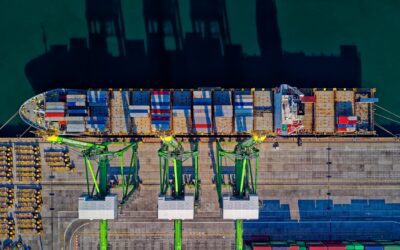
Ports often appear as mechanical spaces filled with cranes, containers, and endless paperwork, yet beneath that surface lies a human driven system where knowledge determines outcomes. Port operations expertise is not about knowing job titles or terminal names. It is about understanding how decisions move through the port ecosystem and where momentum is either protected or lost. Businesses that grasp this reality operate with calm confidence, while those without it experience ports as unpredictable obstacles rather than strategic gateways. The difference shows up in costs, timelines, and reputation long before it appears on financial statements.
Port operations involve far more than vessel arrival and cargo discharge. Each movement depends on coordination between port authorities, terminal operators, shipping lines, customs officials, transporters, and regulators. Expertise means knowing how these players interact and where pressure points exist. Businesses with this insight anticipate delays, sequence activities properly, and avoid conflicts that stall progress. Those without it often react too late, discovering problems only after costs begin to accumulate quietly.
Timing represents one of the most critical elements of port operations expertise. Berthing windows, crane allocation, container yard positioning, and gate operations follow strict rhythms. Missing a narrow timing window can delay cargo for days. Experienced operators plan around these cycles, aligning documentation, payments, and transport readiness precisely. This synchronization transforms port complexity into a manageable flow rather than a source of constant anxiety.
Documentation management remains central to port efficiency. Manifests, delivery orders, clearance confirmations, and release instructions must align perfectly. Expertise lies in understanding not just what documents are required, but when each must be submitted and verified. Delays often occur when paperwork arrives out of sequence rather than incomplete. Businesses that master document timing move cargo smoothly even during peak congestion periods.
Handling practices within ports carry financial and safety implications. Improper stowage, rushed lifting, or miscommunication during discharge increases damage risk. Port operations expertise ensures cargo receives appropriate handling based on weight, sensitivity, and destination. Businesses that engage knowledgeable partners reduce insurance claims and protect product integrity. These benefits compound quietly over time, strengthening reliability and customer trust.
Cost control within port environments depends heavily on expertise. Storage charges, demurrage, detention, and handling fees escalate quickly when cargo lingers. Understanding free time rules, negotiation points, and escalation pathways helps businesses manage exposure. Skilled operators intervene early to resolve issues before charges multiply. Cost predictability emerges from knowledge rather than negotiation after the fact.
Technology has improved port visibility, yet expertise remains essential. Terminal operating systems, vessel tracking platforms, and digital clearance tools provide data without context. Experienced professionals interpret signals correctly and act decisively. They distinguish between routine delays and emerging risks. Businesses that rely solely on dashboards without human insight often misjudge severity and respond too late.
Regulatory compliance intersects deeply with port operations. Ports enforce safety standards, security protocols, and environmental rules rigorously. Expertise ensures compliance requirements are addressed proactively rather than reactively. Businesses that understand enforcement patterns navigate inspections smoothly. Those unaware face disruptions that appear sudden but follow predictable regulatory logic.
Inland transport coordination begins at the port gate. Expertise ensures trucks, rail wagons, or barges are ready precisely when cargo clears. Idle transport increases costs and congestion. Businesses that align inland movement with port readiness reduce dwell time significantly. This alignment feels seamless to customers even though it requires disciplined coordination behind the scenes.
Human relationships play an understated yet powerful role in port operations. Trust built through consistency and professionalism accelerates problem resolution. Experienced operators know whom to contact when issues arise and how to communicate effectively. These relationships do not bypass rules. They help interpret them and apply solutions faster. Businesses benefit from goodwill earned through respect and reliability.
Case experiences reveal how expertise changes outcomes. An importer avoided heavy demurrage by adjusting documentation sequencing. An exporter secured priority handling during congestion through early coordination. These successes came from understanding port behavior rather than exerting pressure. Knowledge replaced urgency with effectiveness.
Many businesses assume size guarantees influence within ports. In reality, expertise matters more than volume. Small firms with skilled operators often outperform larger ones that rely on scale alone. Port systems reward preparation, accuracy, and cooperation consistently. Mastery levels the playing field in environments that appear intimidating at first glance.
Port operations expertise offers something deeper than efficiency. It offers peace of mind. When businesses understand how ports function, uncertainty fades. Decisions feel grounded rather than rushed. Standing at the edge of a smoothly executed port operation brings a quiet sense of control, like knowing the currents beneath the surface. From that vantage point, trade feels less like a gamble and more like a craft honed through understanding, patience, and respect for the system that moves the world forward.